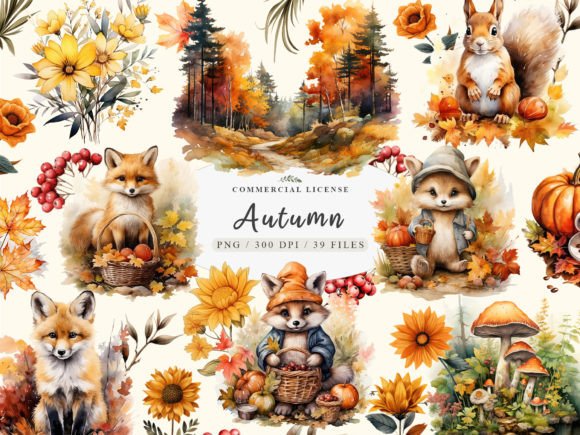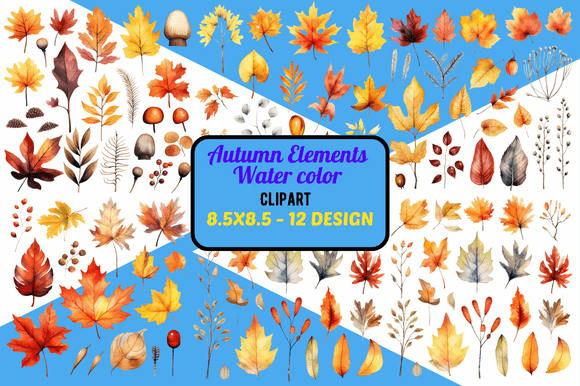
Autumn Elements Watercolor Collection: A Designer Review
As a professional embroidery designer and product reviewer, I approach every new machine embroidery design with a healthy dose of skepticism. The market is saturated with digital assets that look stunning on screen but fail to translate into a quality finished product. When evaluating the Autumn Elements Watercolor Collection, my primary focus was not just on the aesthetic beauty of these Illustrations, but on their structural integrity when converted into stitches. For Etsy sellers, craft business owners, and makers, the gap between a pretty picture and a sellable embroidered item is where profit margins live or die. This collection captures the moody, organic essence of the season, but using it effectively requires understanding how watercolor aesthetics interact with thread tension and fabric grain.
Translating Painted Textures to Thread
The first impression of the Autumn Elements Watercolor Collection is one of softness and organic flow. Unlike rigid vector art, these designs rely on color blending and undefined edges to create depth. From an embroidery digitizing perspective, this presents a unique challenge and opportunity. Watercolor styles typically require complex layering of fill stitch patterns with varying densities to mimic the transparency of paint. In my assessment, this collection succeeds because it avoids the common pitfall of excessive density. Many watercolor-style files become bulletproof patches of thread that pucker lightweight fabrics. However, these designs appear to utilize open fill techniques and strategic running stitch detailing to maintain that airy, artistic feel.
For a custom apparel project, specifically a cream-colored French terry sweatshirt I was prototyping for a boutique client, this distinction mattered immensely. The goal was a vintage-inspired autumn motif that felt worn-in rather than stamped on. The collection’s use of tonal variation allows the garment's fabric texture to show through the stitching, creating a harmonious blend between the medium and the message. If you are planning sweatshirt embroidery or working on tote bag design projects, verify that the digitizer has used gradient fills rather than solid blocks of color. This ensures the design remains flexible and comfortable against the skin, which is a critical selling point for high-end handmade products.
Real-World Application: The Custom Tote Test
To truly evaluate the commercial viability of the Autumn Elements Watercolor Collection, I applied it to a natural canvas tote bag intended as a seasonal retail item. Canvas is unforgiving; it highlights registration errors and demands precise stabilization. I chose a mid-sized floral and leaf composition from the collection to test how the design handles scale. On a tote bag design, visual impact must be immediate. The watercolor style here works exceptionally well because the irregular edges prevent the design from looking like a generic clip-art sticker. Instead, it resembles hand-painted merchandise, significantly increasing the perceived value of the item.
During the stitching process, I paid close attention to the transition points between colors. In watercolor embroidery, abrupt jumps can ruin the illusion of painted blending. This collection manages those transitions smoothly, suggesting the embroidery file was optimized for production rather than just visualization. For small shop product lines, this efficiency reduces thread breaks and trims, directly impacting your production time. However, users should note that achieving this specific watercolor effect relies heavily on accurate thread colors. Standard polyester threads may appear too shiny and artificial for this aesthetic. I strongly recommend testing with matte finish threads or rayon to capture the intended muted, painterly vibe. If your brand focuses on rustic or cottage-core aesthetics, this alignment of material and design is what builds customer trust and recognition.
Navigating Fabric Limitations and Stabilization
While the Autumn Elements Watercolor Collection is versatile, it is not universally applicable without modification. As with any detailed digital embroidery file, context is king. I advise extreme caution when applying these designs to highly textured fabrics like terry cloth or boucle. The subtle shading that defines the watercolor style can easily get lost in a deep pile, turning a nuanced illustration into a muddy blob. Similarly, for baby embroidery projects on knit onesies, the design area must be appropriately stabilized. Because watercolor effects often involve multiple layers of stitching to build color, the cumulative weight can distort stretchy knits if you rely solely on tear-away backing. A cut-away stabilizer is non-negotiable here to prevent tunneling and ensure the design survives frequent washing.
Dark fabrics also present a hurdle. Watercolor illustrations are inherently designed for light backgrounds where the white of the fabric acts as the highlight. Attempting to stitch these on black or navy garments without a white underlay base will result in lost contrast and diminished detail. If you intend to use this collection for holiday embroidery on dark velvet or wool, you must first test whether the file includes a white base layer or if you need to add one manually in your editing software. Without this step, the rich autumn tones will simply disappear into the background, wasting both time and materials. Always run a sew-out on scrap fabric that matches your final project’s weight and weave before committing to a personalized gift or retail piece.
Commercial Viability and Professional Presentation
For creative entrepreneurs and Etsy sellers, the Autumn Elements Watercolor Collection offers strong potential for product differentiation. In a marketplace flooded with bold, cartoonish fall graphics, a sophisticated watercolor aesthetic appeals to buyers seeking elevated home decor and apparel. This collection fits naturally into niches like nursery decor, wedding gifts, and boutique branding. However, professionalism extends beyond the stitch file itself. When listing items featuring these designs, your printable mockup and product photography must accurately represent the texture of the embroidery. Do not use flat digital renders that make the embroidery look like a print. Customers buying commercial embroidery goods expect to see the sheen and dimension of the thread.
Furthermore, always verify the licensing terms associated with this collection before scaling your business. Confirm whether the license permits the sale of physical finished products versus digital files. Most reputable designers allow for the sale of embroidered goods but prohibit sharing the applique design or raw files. Respecting these terms protects your business from legal issues and supports the creators who develop these design assets. Additionally, consider how the collection scales across different hoop size options. A design that looks balanced at 5x7 inches might lose its charm if shrunk down to a 4x4 pocket logo. Check the minimum recommended size to ensure stitch density remains adequate and small details do not merge.
Final Designer Notes for Makers
Before adding the Autumn Elements Watercolor Collection to your permanent library, treat it as a collaborative tool rather than a plug-and-play solution. Success lies in the preparation. Test the design in black and white mode on your machine’s screen to check for density hotspots that could cause needle breaks. Compare the design against both light and dark fabric swatches to understand its contrast limitations. If you are creating embroidered patch merchandise, ensure the border definition is crisp enough to withstand cutting. For tea towels and kitchen linens, verify that the thread type is colorfast and heat resistant.
Ultimately, this collection serves as a beautiful foundation for autumn-themed projects, provided you apply technical diligence. It bridges the gap between fine art and textile craft, offering a level of sophistication that can elevate your craft business offerings. By respecting the nuances of watercolor digitizing and matching the design to appropriate substrates, you transform a digital file into a tangible, high-value asset. Whether you are stitching a holiday gift for a loved one or stocking your shelves for the fall rush, let practical judgment guide your creative choices. The result will be work that honors both the original artist’s vision and your own reputation as a skilled maker.