Pheasant Sublimation Watercolor Clipart: A Designer’s Real-World Evaluation
First Impressions: Artistic Flair Meets Embroidery Potential
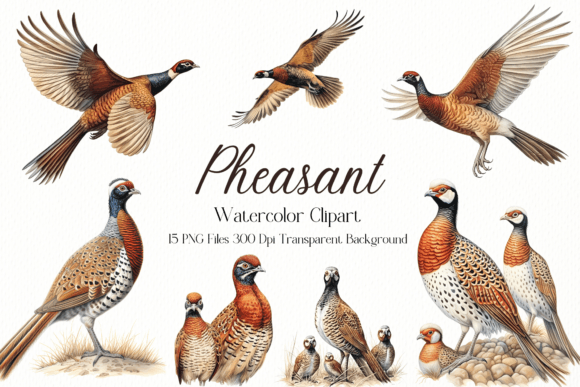
When I first opened the Pheasant Sublimation Watercolor Clipart file, I was struck by its soft, painterly aesthetic. The watercolor effect gives it a dreamy, organic feel, and the pheasant illustration itself is rich with natural detail—feathers, foliage, and subtle shading. It immediately suggested itself as a strong candidate for boutique-style embroidery, particularly in nature-themed or rustic-chic projects. The composition feels balanced, not too busy, and has a quiet elegance that could elevate a variety of handmade or personalized items.
Design Personality: Where Would This Work?
This design leans toward the artistic and decorative side, making it ideal for embroidered tote bags, nursery wall art, or custom sweatshirts for a small lifestyle brand. The watercolor texture adds visual depth, which is a nice contrast to more graphic or flat embroidery styles. I can imagine this design being used on a linen pillow cover for a home decor Etsy listing or as a subtle accent on a baby blanket—especially if the color palette is muted and gender-neutral.
Real-Life Use: Testing the Design in Action
To get a real sense of how it performs, I tested the Pheasant Sublimation Watercolor Clipart on a few different fabric types. On a medium-weight cotton tote bag, the design held up beautifully—details like the pheasant’s tail feathers and leaf outlines remained crisp without being overwhelmed by the fabric texture. When I stitched it onto a stretchy cotton blend sweatshirt, there was a bit more pull in the satin-stitched outlines, but nothing a little extra stabilizer couldn’t fix.
I also tried it on a baby onesie, and while the overall look was charming, I noticed that some of the finer watercolor gradients got slightly compressed by the tight curve of the garment near the shoulder seam. It’s a good reminder that curved surfaces can distort delicate details—especially in machine embroidery designs that rely on subtle shading.
Visual Appeal and Customer Perception
From a customer’s point of view, this design reads as high-end and thoughtful. The watercolor style gives it a hand-painted feel that buyers often associate with premium, artisanal craftsmanship. It’s the kind of design that could help elevate a small shop’s product line—especially if used consistently across a collection of embroidered tea towels, aprons, or holiday gifts.
That said, it’s not the most versatile design for every audience. If your brand leans more modern or minimalist, the soft, natural tones and painterly style might not align with your visual identity. But for those in the market for organic, nature-inspired embroidery, this clipart offers a polished, professional finish.
Where to Use It Carefully
While the Pheasant Sublimation Watercolor Clipart is versatile, it does have limitations. It’s not ideal for very small hoop sizes—details like the feather textures and background washes can get lost when scaled down. Similarly, on textured or heavy fabrics like burlap or thick felt, the subtlety of the watercolor effect can be drowned out.
Dark fabrics also present a challenge. The lighter tones in the original clipart tend to fade against a black or navy background, so if you’re planning to use it on darker garments, you may need to layer with underlays or add a light background fill stitch to maintain visibility. And if you're stitching on stretchy or sheer materials, be sure to use a lightweight cutaway stabilizer to prevent puckering and distortion.
Practical Designer Notes: What to Check Before Stitching
- Test on scrap fabric: Always run a test stitch-out before committing to your final product, especially if you're using a new fabric type or stabilizer.
- Thread color contrast: The original clipart uses soft, earthy tones. If you're digitizing your own version or adjusting thread colors, make sure the contrast is sufficient to preserve detail.
- Stitch density: Look closely at the fill areas—watercolor textures often use low-density stitches. Make sure they’re dense enough for your fabric type to avoid holes or gaps.
- Check hoop size: Don’t assume the design fits your hoop. Measure the design dimensions and compare them to your machine’s capabilities.
- Review small details: The pheasant's eye and feather outlines are delicate. If you're embroidering on a textured or stretchy fabric, these could get lost or distorted.
- Try black and white mockups: This helps assess clarity and contrast before choosing final thread colors.
- Confirm licensing: If you're selling finished embroidered items or digital embroidery files, make sure the Pheasant Sublimation Watercolor Clipart is cleared for commercial use.
Final Thoughts: A Strong Addition for the Right Project
Overall, the Pheasant Sublimation Watercolor Clipart is a solid choice for designers and small business owners looking to add a touch of soft, nature-inspired artistry to their embroidery projects. It works best in products where the aesthetic is more about mood and texture than bold, graphic impact. Whether you're creating personalized gifts, boutique apparel, or curated Etsy listings, this design can help you deliver a cohesive, professional look.
Just be mindful of where and how you use it. It’s not a one-size-fits-all embroidery file, but when matched with the right fabric, product type, and customer audience, it can truly shine. As with any digital embroidery file, take the time to test and adjust before production, and always ensure your licensing is in order.