Rustic Wedding Watercolor Sublimation: An Embroidery Review
First Impressions: Translating Paint to Thread
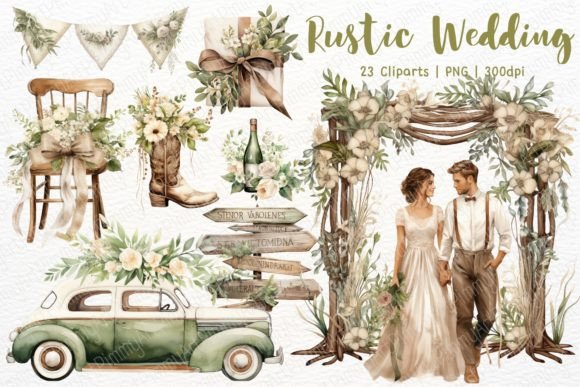
As a designer who constantly bridges the gap between digital art and tangible textiles, my first reaction to Rustic Wedding Watercolor Sublimation was one of cautious optimism. In the category of Illustrations, watercolor styles are notoriously difficult to replicate in machine embroidery without losing their ethereal quality or becoming bulletproof vests of dense thread. However, this design immediately struck me as a viable candidate for mixed-media projects rather than a traditional full-coverage stitch-out. The visual personality is soft, organic, and undeniably romantic, evoking a sense of vintage charm that aligns perfectly with current bridal and nursery trends.
The layout suggests a deliberate flow that respects the negative space, which is crucial when adapting sublimation aesthetics for needle and thread. Instead of trying to force every painted pixel into a satin stitch or fill stitch, the design appears to rely on color blending and lighter running stitches to mimic brushwork. For an embroidery designer, this is a relief. It signals that the digitizer understood the limitations of fabric texture and prioritized drape over density. This isn't just a pretty picture; it feels like a functional asset for creators who need their finished products to remain soft and wearable.
Real-World Application: The Bridal Tote Test
To truly evaluate the commercial viability of this design, I mentally placed it into a specific production scenario: creating custom bridal tote bags for a boutique wedding shop. This is a high-stakes application because the substrate is often unstructured canvas or linen, and the client expects a premium handmade product feel. When visualizing Rustic Wedding Watercolor Sublimation on a natural cream tote bag, the color palette sings against the neutral background. The rustic elements provide enough contrast to be visible from a distance, while the watercolor nuances offer the intricate detail that justifies a higher price point for personalized gifts.
In this real-life case, I would likely treat this as a hybrid project. If using it strictly as an embroidery file, I would pair it with simple block lettering for the bride’s name to anchor the fluid artwork. Alternatively, for craft business owners equipped with both sublimation and embroidery machines, this design serves as an exceptional base layer. You could sublimate the watercolor background onto polyester-coated canvas and then embroider only the key outlines and text on top. This approach preserves the soft hand-feel of the tote bag design while adding the tactile value of stitching. Customers react positively to this mixed technique because it looks bespoke and avoids the heavy, stiff center that plagues poorly optimized floral designs.
Navigating Fabric Choices and Hoop Limitations
While the aesthetic is versatile, practical execution requires careful substrate selection. Rustic Wedding Watercolor Sublimation performs best on stable, light-colored fabrics where the thread colors can blend seamlessly with the material. I would confidently recommend this for sweatshirt embroidery on French terry or fleece, as well as tea towels and pillow covers. These items have enough structure to support the design without excessive puckering, provided you use the correct stabilizer.
However, caution is necessary when venturing into more challenging territories. Dark fabrics are generally a poor match unless the design includes a white underlay or applique foundation, which may alter the intended watercolor transparency. Stretchy knits and thin performance wear should be approached with skepticism; the organic nature of rustic illustrations often involves varying stitch densities that can distort elastic materials. Furthermore, if you are working with small hoop sizes, verify that the intricate corners of the illustration haven't been simplified to the point of losing recognition. Detailed botanical elements in watercolor styles rely on precision, and shrinking them too aggressively can result in muddy stitch definition.
Critical Considerations for Curved and Textured Surfaces
- Caps and Hats: Only attempt this on structured caps with ample front panel space. The curved surface can warp horizontal gradients common in watercolor art.
- Baby Embroidery: Ensure the back of the stitching is smooth. Watercolor effects sometimes require complex jump stitches or trims that could irritate sensitive skin. Always use a soft backing.
- Textured Linens: While aesthetically appropriate, heavy slub linen can swallow fine running stitches. Consider increasing stitch length slightly or using a heavier thread weight for outline details.
- Frequent Wash Items: For kitchen towels or baby clothes, test washability. Variegated threads used to achieve watercolor effects may bleed or fade differently than solid colors.
Commercial Value and Customer Perception
For Etsy sellers and small shop product lines, the perceived value of Rustic Wedding Watercolor Sublimation lies in its trend relevance and emotional resonance. Buyers are currently seeking designs that feel artisanal rather than mass-produced. This illustration style communicates "handmade" even when executed by a machine, which builds customer trust and engagement. When listing custom apparel or holiday embroidery featuring this design, your printable mockups should accurately reflect the texture. Do not use flat digital overlays; instead, show the interaction between the thread and the fabric weave. This honesty in presentation reduces returns and sets realistic expectations for the buyer.
From a brand consistency standpoint, this design acts as a flexible anchor. It pairs beautifully with serif fonts, kraft paper packaging, and minimalist photography. Whether you are selling a digital embroidery file to other makers or a finished embroidered patch, the rustic watercolor theme has broad market appeal. It transcends seasonal limitations, working equally well for spring weddings, autumn nursery decor, or winter holiday gifts. This versatility maximizes your return on investment, allowing you to keep the design active in your catalog year-round.
Designer Notes: Technical Verification Before Stitching
Before committing this design to a final product or listing it as a commercial embroidery asset, rigorous testing is non-negotiable. Every machine handles complex color blends differently. I strongly advise running a test stitch-out on scrap fabric that matches your intended final substrate. Pay close attention to the registration marks between color changes; watercolor effects fail instantly if the layers do not align perfectly. Check the stitch density map in your editing software. If large areas exceed standard limits for garment wear, consider reducing density or converting sections to applique design elements to maintain softness.
Additionally, review the licensing terms associated with Rustic Wedding Watercolor Sublimation. Confirm whether you are permitted to sell finished physical products, digital files, or both. Many illustrators restrict the resale of the digital file itself while encouraging the sale of handmade goods. Clarifying this protects your business and respects the original artist. Finally, compare the design on both light and dark backgrounds in your software before threading up. Sometimes, what looks vibrant on screen loses impact on charcoal grey sweatshirts. By validating these technical and legal details upfront, you ensure that your creative entrepreneurship remains sustainable and professional.
Ultimately, Rustic Wedding Watercolor Sublimation is a sophisticated addition to any digitizer's library, provided it is treated with the respect due to complex artistic styles. It offers a beautiful alternative to traditional dense florals, opening doors for lighter, more breathable embroidered goods. With proper stabilization, mindful fabric pairing, and thorough testing, this design can elevate your portfolio and delight clients looking for that perfect blend of rustic warmth and artistic elegance.