Watercolor Flower Clipart Bundle: Illustrations for Branding
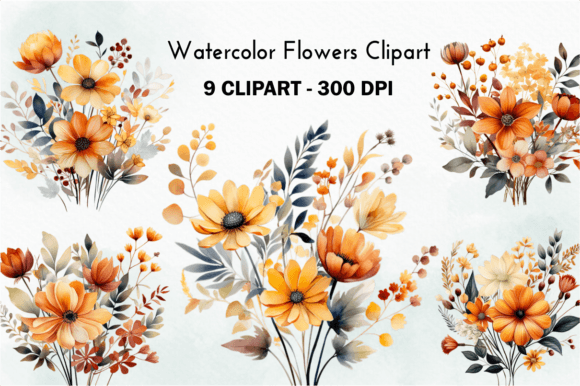
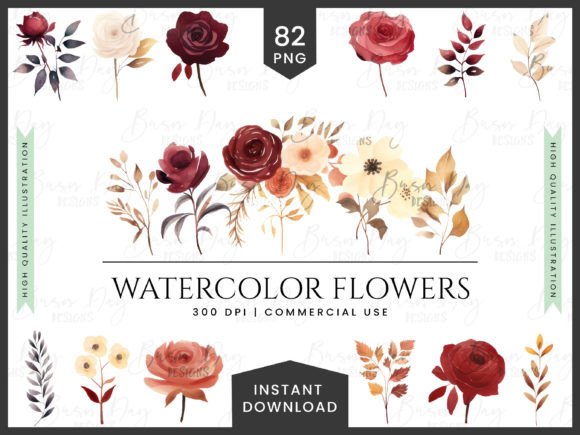
As a brand designer and content marketer, my first interaction with any new graphic design asset is always critical. When I opened the Watercolor Flower Clipart Bundle for a recent client project—a lifestyle skincare line launching a spring collection—I was immediately struck by the delicate balance between organic texture and digital precision. The initial impression was not just "pretty flowers," but rather a sophisticated sense of calm and authenticity. For brand owners and marketers, this distinction matters immensely. This bundle does not scream for attention; instead, it invites the viewer into a narrative of natural beauty and handmade care. The mood is undeniably soft yet professional, making it highly suitable for brands that rely on emotional connection, such as wellness coaches, artisanal product creators, and boutique publishers.
In the context of our skincare campaign, these illustrations served as more than mere decoration. They acted as visual anchors that communicated the brand’s core values without requiring excessive copy. The watercolor medium inherently suggests transparency, purity, and craftsmanship. When evaluating this asset for your own marketing visuals, consider whether your audience responds to tactile, human-centric aesthetics. If you are building a brand identity rooted in sustainability, self-care, or creative expression, this bundle offers an immediate shortcut to establishing that specific emotional tone. However, if your goal is high-tech innovation or aggressive corporate sales, the organic nature of these assets might create a disconnect. Understanding this alignment is the first step in effective content marketing.
Elevating Campaign Visuals Across Digital Touchpoints
During the skincare launch, we utilized the Watercolor Flower Clipart Bundle across multiple channels to test its versatility. In social media graphics, specifically Instagram carousels and Pinterest pins, the clipart provided necessary negative space and framing. Unlike rigid vector shapes, the irregular edges of watercolor allow text to nestle naturally into the composition, improving readability and visual hierarchy. We found that using these floral elements as corner accents or subtle background textures increased dwell time on posts because they felt less like advertisements and more like editorial content.
For email banners and website headers, the bundle proved invaluable for breaking up dense information. A common mistake in web design is creating sterile layouts that lack personality. By integrating these botanical illustrations, we softened the transition between promotional copy and product photography. The asset also performed exceptionally well in packaging design and product labels. Because the files are high-resolution PNG designs, they printed beautifully on matte paper stock, adding a premium feel to unboxing experiences. For digital sellers and online coaches creating lead magnets or workbooks, these visuals add perceived value to PDF downloads, transforming a simple document into a polished digital product.
Strategic Applications for Brand Recognition and Trust
Consistency is the bedrock of audience trust. One of the strongest advantages of acquiring a comprehensive design bundle like this is the ability to maintain a cohesive visual language across disparate platforms. When a customer sees the same artistic style on a Facebook ad, a blog graphic, and a physical thank-you card, their brain registers the brand as reliable and established. The Watercolor Flower Clipart Bundle supports this recognition by offering varied compositions that share a unified color story and brushstroke technique.
This consistency directly impacts conversion rates. In our case study, ads featuring these custom watercolor elements outperformed generic stock photo ads by creating a stronger emotional hook. The artwork signaled "handmade" and "thoughtful," which aligned perfectly with the price point and positioning of the skincare line. For small business branding, this asset bridges the gap between DIY aesthetics and professional branding. It allows entrepreneurs to access high-end commercial design quality without the budget for custom commissioned paintings, making it a strategic investment for scaling businesses.
Optimizing Placement for Maximum Marketing Impact
Knowing where to place a creative design element is just as important as selecting it. Based on my testing, the Watercolor Flower Clipart Bundle excels in hero graphics, campaign headers, and branded templates. These are areas where the eye naturally seeks a focal point or a frame. The intricate details of the petals and leaves guide the viewer’s gaze toward the center of the composition, making them ideal for highlighting headlines or product shots. They also work beautifully as decorative dividers in long-form editorial design or blog posts, keeping readers engaged through visual rhythm.
However, caution is required in certain applications. I advise against using these detailed illustrations in small mobile icons or dense data tables. The complexity of watercolor can become muddy when scaled down significantly, potentially harming the user experience. Similarly, avoid placing these assets behind heavy blocks of body text; the texture will reduce contrast and legibility. In formal corporate communications or minimalist tech branding, the ornate nature of the bundle may clash with the desired message of efficiency and modernity. Always ask: Does this illustration support the message, or is it competing with it?
A Designer’s Checklist for Professional Implementation
Before integrating this clipart into paid campaigns or client work, run through a practical validation process. First, test the assets against your specific brand color palette. While watercolor is versatile, clashing undertones can make a design look amateurish. Use blending modes or opacity adjustments in Canva or Photoshop to harmonize the colors if necessary. Second, check how the illustrations pair with your typography. I found that elegant serif fonts and clean sans-serifs complemented the organic flow best, whereas heavy display fonts sometimes overpowered the delicacy of the art.
- Verify Licensing: Always confirm the commercial license terms before using the assets in products for resale or paid advertising to protect your business.
- Test Readability: Preview social media graphics and web headers on actual mobile devices to ensure the watercolor texture doesn't interfere with text clarity.
- Check Monochrome Viability: Ensure the illustrations still hold their shape and appeal in black and white for receipts, invoices, or accessible design requirements.
- Mockup Real Scenarios: Don’t judge the asset in isolation. Place it inside real Canva template layouts or packaging mockups to assess scale and balance.
- Competitor Analysis: Compare your usage against competitors to ensure your application of the design assets feels distinct and ownable.
Ultimately, the Watercolor Flower Clipart Bundle is a powerful tool for creators who understand that marketing is about feeling as much as function. Whether you are designing a printable design for Etsy, refreshing your Instagram aesthetic, or elevating your packaging, this asset brings a layer of human warmth that AI-generated or rigid vector art often lacks. By applying these strategic considerations and practical checks, you can leverage these illustrations to build a brand that resonates deeply with your audience, fostering both engagement and loyalty in a crowded digital marketplace.