Watercolor Leopard Clipart Volume –19: A Designer’s Review for Branding & Marketing Use
As a brand designer and content marketer, I recently came across Watercolor Leopard Clipart Volume –19 and decided to put it through a real-world branding test. I was working with a small lifestyle brand preparing for a seasonal product launch and needed visual assets that would elevate their social media presence and packaging design without overwhelming their brand identity. Here’s how this illustration bundle performed in a live marketing scenario.
First Impressions: Playful, Organic, and Visually Engaging
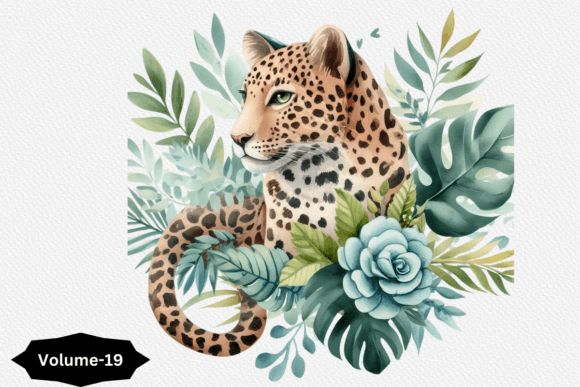
The first thing I noticed about Watercolor Leopard Clipart Volume –19 is the soft, painterly texture. The watercolor effect gives it a handcrafted, slightly whimsical feel, while the leopard motif adds a touch of wild sophistication. It strikes a balance between being eye-catching and versatile, making it ideal for brands that want to feel approachable yet stylish.
This design asset conveys a sense of creativity and movement. It’s not overly formal, which makes it perfect for casual or boutique-style branding, but the leopard element adds enough flair to work in semi-premium contexts like artisanal packaging or curated content kits.
How Watercolor Leopard Clipart Volume –19 Supports Brand Communication
In marketing, visuals are the first point of contact. Watercolor Leopard Clipart Volume –19 helps create a strong first impression by introducing a unique visual motif that can be subtly repeated across content touchpoints. When used consistently, it reinforces brand recognition and adds a layer of emotional connection—especially for audiences drawn to organic, nature-inspired aesthetics.
- It enhances visual hierarchy by acting as a decorative anchor in graphics.
- Supports storytelling through mood and texture.
- Helps differentiate your content in crowded feeds or editorial layouts.
Real-World Marketing Uses for Watercolor Leopard Clipart Volume –19
I tested this illustration set across multiple campaign elements for a small online boutique launching a summer collection. Here’s where it truly shined:
- Social Media Graphics: Used as a background accent in Instagram Stories and carousel headers. It added visual interest without competing with text or product images.
- Pinterest Pins: Worked beautifully as a decorative border element, helping the pins stand out in search results.
- Email Banners: Subtle use in email headers gave the brand’s newsletters a more curated, on-brand look.
- Packaging Inserts: Printed on thank-you cards and packaging tags to reinforce brand personality.
- Canva Templates: Integrated into branded content kits for the client’s team to use across blog graphics and promotional posts.
Where This Clipart Bundle Adds Value to Branding Projects
Watercolor Leopard Clipart Volume –19 excels in projects that benefit from a soft, artistic touch. It works well for:
- Branded templates (Canva, PowerPoint, Google Slides)
- Hero graphics on landing pages or blog headers
- Seasonal promotions and limited-time offers
- Merchandise design (stickers, notebooks, tote bags)
- Editorial design in newsletters and digital magazines
It also helps small businesses and content creators maintain a professional appearance without investing heavily in custom illustration. The variety of elements in the bundle gives you flexibility to adapt visuals across different formats while keeping a cohesive look.
When to Use This Asset with Caution
Despite its versatility, this graphic design asset isn’t a one-size-fits-all solution. I noticed it can become overwhelming or visually confusing in the following contexts:
- Formal corporate branding: Too playful for serious or corporate B2B messaging.
- Text-heavy ads: Can distract from core messaging if overused.
- Mobile-first design: Needs to be scaled carefully for small screens to maintain readability.
- Minimalist brand styles: May feel out of place in ultra-clean, modern design systems.
Always preview it in mockups and test responsiveness before rolling out in a full campaign.
Designer Notes: Practical Tips for Using Watercolor Leopard Clipart Volume –19
Here are the key checks I ran before finalizing the design direction:
- Color compatibility: Tested with the brand’s existing color palette—worked best with earthy tones and muted pastels.
- Black and white conversion: Retained enough contrast to be usable in monochrome prints.
- Font pairing: Paired beautifully with script and handwritten fonts for a creative feel, but also balanced well with sans-serif for clarity.
- Licensing check: Verified commercial license to ensure it could be used in both digital and printed promotional materials.
- Spacing and layout: Gave ample white space around elements to prevent visual clutter, especially in social media banners.
I also placed the illustrations inside real campaign mockups—website headers, Instagram posts, and packaging samples—to see how they performed in context. The result? A cohesive, engaging visual language that elevated the brand without feeling forced.
Who Should Consider Watercolor Leopard Clipart Volume –19
This design asset is ideal for:
- Small business owners launching new products or seasonal promotions
- Content creators building branded templates or digital product visuals
- Social media managers looking to refresh visual content with organic flair
- Bloggers and publishers needing editorial-style graphics
- Designers sourcing high-quality clipart for client work
If your brand leans into a natural, handmade, or lifestyle aesthetic, this illustration set can be a powerful tool in your visual toolkit. It brings warmth and character to marketing visuals without sacrificing professionalism.
Final Thoughts: A Strong Visual Addition for Creative Marketers
In conclusion, Watercolor Leopard Clipart Volume –19 is a well-designed, flexible graphic design asset that supports a wide range of branding and marketing applications. It helped our client achieve a more polished, consistent look across their campaign visuals and added a unique emotional tone that resonated with their audience.
For creative entrepreneurs and digital sellers, this kind of design bundle can be a game-changer—especially when building a content library or launching a new product line. Just remember to test it in real campaign mockups, pair it thoughtfully with fonts and colors, and always confirm the licensing terms before using it in commercial design work.