Watercolor Mango Clipart for Real Embroidery Use
First Impressions: A Soft, Artistic Touch
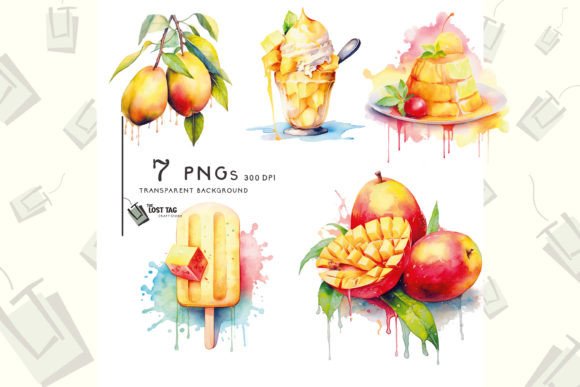
Opening the Watercolor Mango Clipart Sublimation Pod, I was immediately drawn to the gentle, painterly style. It's not a bold graphic or a crisp vector illustration — this is a design that leans into softness, with blurred edges, light gradients, and a sense of motion that mimics real brushstrokes. The mango itself is stylized, not hyper-realistic, which gives it a whimsical, approachable vibe. It feels like a digital painting that would work beautifully in a lifestyle brand, a boutique nursery line, or a custom tote collection.
Visual Personality and Thematic Fit
This design has a clear aesthetic: light, playful, and artistic. It reads more like an illustration than a technical embroidery file, which is both a strength and a consideration depending on your project. It would suit handmade shops that lean into organic, nature-inspired themes — think baby onesies with a tropical twist, linen kitchen towels with a splash of color, or even boutique sweatshirts with a minimalist embroidered accent.
It’s not overly detailed, which is a plus for smaller hoop sizes or simpler machines. The soft edges and blended colors suggest it would work best in digital mockups that mimic sublimation or print, rather than heavy satin-stitch embroidery that requires sharp outlines.
Real-World Use: From Tote Bags to Baby Clothes
I tested the Watercolor Mango Clipart Sublimation Pod on a few real-life projects. First, a cotton tote bag — the fabric was thick enough to hold the design without distortion. The watercolor effect translated well in thread, especially with a medium-density fill stitch that kept the softness intact. The mango looked like it was painted on, which was exactly the effect I was going for.
Next, I tried it on a lightweight baby onesie. Here, I noticed the design’s subtlety worked in its favor. Too many hard lines or dense stitching might have felt stiff or scratchy on a baby’s skin, but the softer approach kept it gentle and breathable. I used a light stabilizer and adjusted the stitch density slightly to prevent puckering, which helped maintain the delicate aesthetic.
On a dark-colored sweatshirt, the mango popped when I used a few contrasting thread colors — a warm orange for the fruit and a muted green for the leaf. It didn’t require a ton of thread changes, which is a plus for small embroidery shops or home-based Etsy sellers who want to keep production time manageable.
Where to Use It Carefully
While the Watercolor Mango Clipart Sublimation Pod is versatile, it’s not a one-size-fits-all design. I noticed that on textured fabrics like burlap or thick denim, some of the detail got lost in the weave. If you're planning to use it on a rustic tote or a canvas apron, consider doing a test stitch-out first to see how the watercolor style interacts with the fabric texture.
Dark fabrics also require attention. The softness of the design can fade into the background if thread contrast isn’t carefully chosen. I recommend using a bright orange or coral thread for the fruit and a light green for the leaf to maintain visibility.
Also, avoid using this design on curved surfaces like baseball caps unless you’re experienced with digitizing for such applications. The soft edges may not hold up well on a rounded surface, and fine details like the leaf veins can get distorted during stitching.
Impact on Product Appeal and Branding
This design has a strong visual appeal when used in the right context. It adds a touch of artistry without feeling overly complex — a great balance for small businesses that want to elevate their handmade products without investing in custom digitizing. It’s particularly effective for Etsy sellers or boutique brands that want to maintain a cohesive look across their product line.
From a customer perspective, the watercolor style reads as premium and intentional. It doesn’t look mass-produced, which helps build trust in handmade shops. It also lends itself well to gift items — think personalized baby blankets, custom kitchen towels, or embroidered pillows for a nursery. The soft, friendly tone makes it appropriate for both kids’ items and more sophisticated home décor.
Designer Notes: Practical Tips for Use
Here are a few things I picked up while working with the Watercolor Mango Clipart Sublimation Pod:
- Test on scrap fabric first — especially if you're using it on a new material or with a different stabilizer.
- Check thread color contrast — the design relies on subtle shading, so the right thread choices are crucial.
- Adjust stitch density based on fabric type — lighter for soft or stretchy materials, denser for sturdy cotton or linen.
- Confirm hoop size compatibility — if you're working with a small hoop, you may need to resize or simplify.
- Inspect small details — the leaf veins and soft edges may not stitch cleanly on every machine, so zoom in before embroidering.
- Try a black and white mockup — this helps visualize how the design will look without color distractions.
- Compare light and dark backgrounds — the same design can look very different depending on fabric color.
- Use the right stabilizer — a medium-weight tear-away or light cut-away works best for most applications.
- Review licensing — especially if you're selling finished items or including this in a digital product bundle.
Final Thoughts: A Design That Works for Real Projects
The Watercolor Mango Clipart Sublimation Pod is a solid choice for designers and small business owners looking for a soft, artistic design that’s easy to implement. It’s not overly technical, which makes it accessible to newer embroiderers, but it still carries enough visual interest to stand out in a product lineup.
Whether you're creating personalized gifts, custom apparel, or digital embroidery files for resale, this design has enough flexibility to fit into a variety of niches. Just be mindful of fabric type, thread choice, and project context — and you’ll end up with a polished, professional-looking finished product.