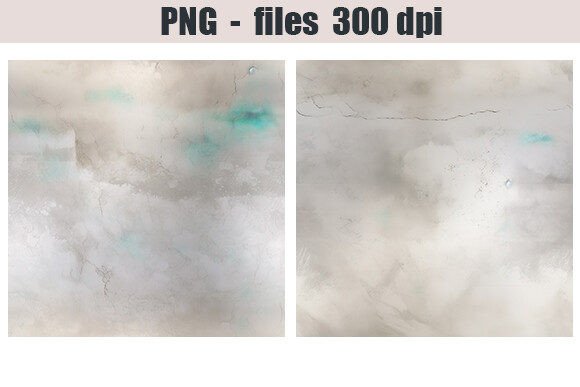
Watercolor Print Illustrations for Digital Products
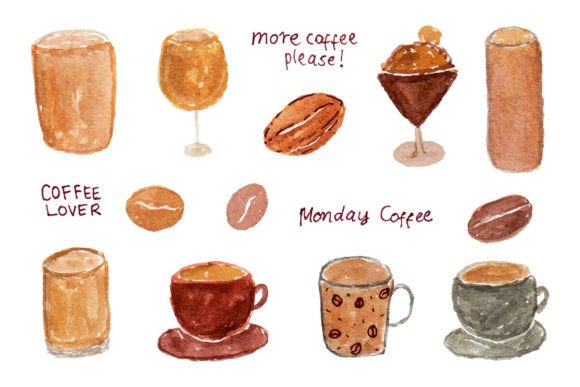
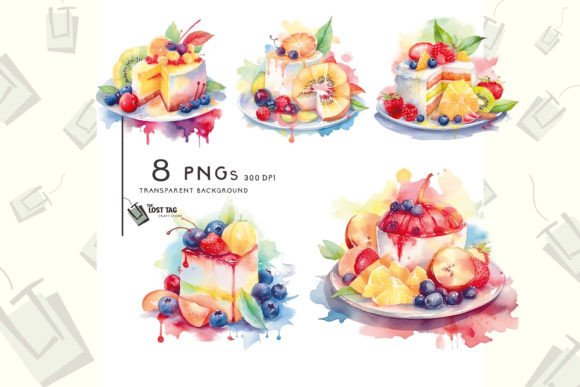
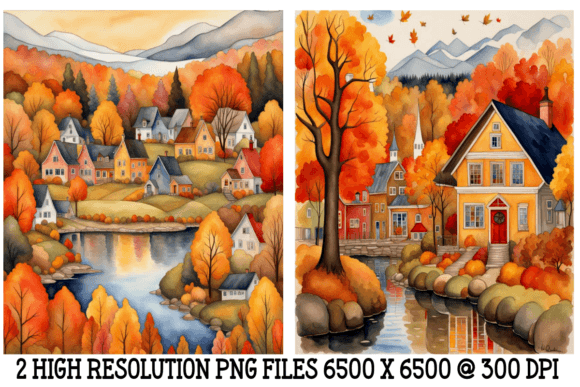
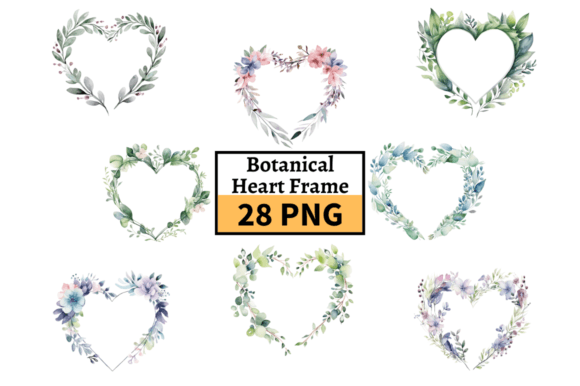
When evaluating a new graphic design asset for my online shop, I always look beyond the initial aesthetic appeal and focus on commercial viability. As a digital product creator selling on Etsy and Creative Fabrica, my first impression of this Watercolor Print centers on its versatility within the Illustrations category. The texture feels organic and handmade, yet the resolution suggests it was digitized with professional print standards in mind. For sellers targeting the nursery decor, wedding stationery, or feminine branding niches, this asset immediately signals a premium feel. It avoids the overly saturated, artificial look that plagues many low-quality digital downloads, offering instead a soft, authentic watercolor bleed that customers associate with high-end artisan goods. This specific visual personality attracts buyers looking for warmth and elegance rather than bold, cartoonish graphics, making it a strategic addition to shops focusing on sophisticated or rustic aesthetics.
Testing Commercial Viability Across Product Types
Before listing any illustration, I run it through a rigorous testing phase across multiple product formats. A beautiful image is useless if it fails technically when applied to merchandise. With this Watercolor Print, I assessed its performance as both a standalone printable design and a component in larger design bundles. For print-on-demand sellers, the color profile is critical. I tested this asset on t-shirt designs and mug designs using CMYK conversion simulations. The watercolor edges maintained their integrity without becoming muddy or pixelated, which is a common failure point for this style. For sublimation design projects, particularly tumbler wraps and tote bags, the seamless nature of the brushwork allows for easy pattern creation without visible repeat lines.
For the Cricut and Silhouette community, the utility depends heavily on file preparation. While this Watercolor Print shines as a PNG design for print-then-cut sticker design projects, users must be cautious with SVG conversions. Watercolor textures often contain semi-transparent pixels that cutting machines struggle to interpret. In my test, I found this asset works best for Cricut projects when used as a background layer or a print-then-cut element rather than a standalone cut file. However, for Canva template sellers, this illustration is a powerhouse. It serves as an excellent anchor for social media graphics, invitation templates, and planner stickers. The soft edges provide visual hierarchy without competing with text, allowing creators to build cohesive brand identity kits for small business branding clients.
Evaluating Listing Presentation and Mockup Appeal
In the competitive creative marketplace, your thumbnail determines your click-through rate. I evaluated how this Watercolor Print performs in product mockups and listing images. Assets with genuine watercolor texture tend to photograph better on screen because they mimic traditional media, building instant customer trust. When placed on a white background in a digital download listing, the contrast is sufficient to stand out in search results. However, for packaging design previews or dark-themed shop banners, I noticed the need for careful adjustment. The lighter washes can disappear against dark backgrounds unless a subtle drop shadow or cream-colored backing is added in the mockup.
This asset excels in bundle presentations. When creating a seasonal collection or a floral clipart set, this Watercolor Print provides a consistent stylistic thread that ties disparate elements together. I found it particularly effective for showcasing "what’s included" graphics in Etsy product listings. By using the illustration as a decorative border or watermark on preview images, you reinforce the perceived value of the commercial design. Buyers are more likely to purchase a design bundle when the preview itself looks like a finished, professional piece of art. This visual storytelling aspect is crucial for converting browsers into buyers, especially in saturated categories like digital paper packs or scrapbooking kits.
Strategic Applications and Best Use Cases
Based on my evaluation, this Watercolor Print is most effective in specific commercial applications where texture adds value. It is ideal for:
- Printable Wall Art: The organic texture translates beautifully to home decor prints, specifically for nurseries, bathrooms, and reading nooks.
- Wedding Stationery: Perfect for save-the-dates, menu cards, and seating charts where a romantic, handmade aesthetic is required.
- Digital Planner Stickers: Works exceptionally well for functional decoration in GoodNotes or Notability planners.
- Blog Graphics and Social Media: Provides a soft backdrop for quotes or promotional text without overwhelming the message.
- Greeting Card Templates: Serves as a versatile base for birthday, baby shower, and thank-you card designs.
Conversely, there are scenarios where this asset requires caution. Avoid using it for tiny sticker details where the watercolor grain will be lost at small scales. It is also not suitable for products requiring crisp, solid vector lines, such as intricate vinyl decals or laser-cut wood signs. In text-heavy templates, ensure the watercolor opacity is reduced so readability is never compromised. Additionally, while it works for apparel, verify the print size; enlarging a watercolor texture too much can reveal individual brush strokes or scanning artifacts that detract from the professional finish.
Essential Seller Checklist Before Publishing
To maximize sales and minimize customer service inquiries, I recommend following this practical checklist before adding this Watercolor Print to your shop:
- Verify File Resolution: Ensure the PNG design is at least 300 DPI at the intended print size. Watercolor relies on fine detail; low resolution destroys the selling point.
- Check Transparency Cleanliness: Open the file in Photoshop or Photopea to inspect the transparent background. Remove any stray dust specks or gray halos that might appear when customers layer it over colored backgrounds.
- Test Font Pairings: Create sample mockups pairing the illustration with serif, sans serif, script, and handwritten fonts. Document these pairings in your listing description to help buyers visualize the end result.
- Confirm Licensing Terms: Double-check the commercial license. Verify if you can sell end products (like mugs) versus digital templates. Clear licensing prevents future legal issues and builds buyer confidence.
- Create Diverse Mockups: Do not rely solely on digital screens. Print a physical copy to verify color accuracy. What looks vibrant on a monitor may print dull; adjust your listing photos to reflect true-to-life output.
- Organize Deliverables: If selling as part of a design bundle, label files clearly (e.g., "Watercolor_Floral_Pink_300DPI.png"). Customers appreciate organized folders, leading to better reviews and repeat business.
Final Thoughts on Asset Integration
Ultimately, this Watercolor Print represents a solid investment for digital sellers who understand their niche. It bridges the gap between artistic expression and commercial utility, fitting seamlessly into workflows for Etsy sellers, POD entrepreneurs, and template designers. Its strength lies in its ability to elevate simple products into premium offerings through texture and mood. However, success depends on technical diligence. By testing cut lines, verifying print colors, and presenting the asset in realistic contexts, you transform a pretty picture into a reliable revenue stream. Whether you are building a cohesive brand identity for a client or expanding your own digital download inventory, this illustration offers the flexibility needed for modern creative commerce. Just remember to treat it as a raw material that requires your expertise to reach its full market potential.